Spartanburg Hardscape Maintenance: Best Ways to Seal Pavers and Protect Patios
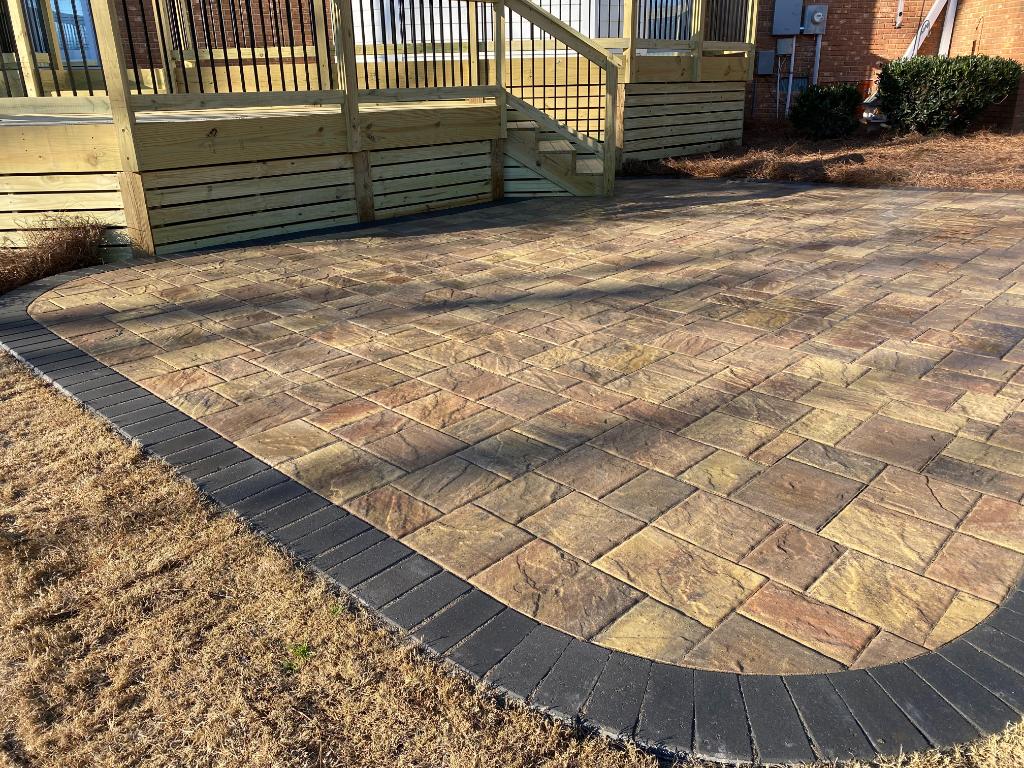
If you want real results from Spartanburg hardscape maintenance, focus on a proven restoration and sealing process built for our climate. Summer humidity, sudden downpours, and iron-rich red clay runoff can undo a quick wash in weeks. A lasting finish takes the right prep, the right joint stabilization, and a deep-penetrating sealer that stands up to moisture and heat.
Homeowners in Converse Heights, near Wofford College, and across the Upstate see the same issues: orange clay staining, dark mildew film, joint sand washing out, and pavers that shift or haze after a basic rinse. The solution is not more water. It is a professional system that restores the surface, locks the joints, and shields the stone or concrete from water and contaminants.
At Diversified Landscape Solutions, LLC, our team brings the same care we use on new builds to maintenance work. If you are planning a refresh, explore our hardscaping services to understand how restoration ties into long-term patio health.
Why Spartanburg’s Climate Beats Up Pavers
Spartanburg’s long, humid season feeds algae and mildew that cling to porous brick and modern concrete pavers. Afternoon storms push red clay across driveways and patios, and the iron in that clay leaves stubborn orange-brown stains. In winter, occasional cold snaps add light freeze-thaw stress that opens micro-cracks. Sunlight then fades pigments and dries out unsealed joints, which makes sand loss worse.
- Humidity and shade help algae and mildew grow, creating a slippery film and dark patches.
- Red clay runoff carries iron that bonds to the surface, causing orange discoloration that simple rinsing won’t remove.
- Open or eroded joints let water travel under the pavers, softening the base and leading to movement and edge spalling.
That is why a quick wash looks good for a week and then the stains and growth creep right back. The underlying problems were never addressed.
Pressure Washing Alone Fails Within a Season
It is tempting to blast stains away. But on its own, pressure washing leaves the system unfinished. Water drives deeper into the pores, joints lose more sand, and the surface dries with new pathways ready for the next rain. Without joint re-sanding and a compatible, penetrating polymeric sealer, you invite rapid re-growth and fresh staining after the first summer storm.
Many patios that were “cleaned” in spring look tired again by late July. That is not neglect. It is the natural outcome of washing without stabilization and protection in a humid, clay-heavy environment.
The Professional, Multi‑Step Restoration Process
A durable result comes from a sequence that restores, stabilizes, and seals. Here is how a trained crew approaches it for Spartanburg conditions:
- Assessment and stain ID to confirm whether discoloration is clay-iron, organic growth, tire scuff, or efflorescence.
- Targeted pre-treatments to loosen clay-iron staining and organic film without etching brick or concrete.
- Controlled cleaning with professional surface equipment to lift contamination evenly and protect the substrate.
- Thorough rinse and dry-down period so moisture escapes from the surface and joints before the next steps.
- Joint re-sanding to spec using washed, angular sand or polymeric sand to refill voids and stabilize edges.
- Compaction to seat the sand deep into joints and minimize future settlement.
- Application of a deep-penetrating, breathable polymeric sealer selected for local humidity and traffic patterns.
This sequence fixes what causes rapid failure. The pre-treatments target local stains. The joint work stops water from pumping under the field. The sealer blocks moisture intrusion and makes future cleaning faster and safer for the surface.
Local insight: In our humid summers, evening dew can sit on fresh work. Pros plan sealing windows to avoid moisture trapped under the finish, which helps prevent whitening or haze.
Ask your technician how they time cleaning, drying, and sealing to work with Spartanburg’s humidity, not against it.
Choosing the Right Sealer For Spartanburg Hardscape Maintenance
Not all sealers handle moisture the same way. A breathable, penetrating polymeric system resists water, clay staining, and mildew without trapping vapor. That is important in Converse Heights and other tree-lined neighborhoods where shade and leaf litter extend drying times. In open areas near Wofford College where heat is stronger, UV stability matters so color stays true.
Finish preference matters too. Some homeowners love a natural, matte appearance. Others prefer a richer, enhanced look. Either way, the chemistry must fit the surface and joint material. A good match reduces risk of whitening, peeling, or slick spots after storms.
Why Joint Re‑Sanding Is Non‑Negotiable
Open joints are doorways for water, seeds, and ants. When joints are underfilled or rounded out by washing, water flows along those channels and carries fines out of the base. That movement shows up as wobbly pavers, edge gaps, and recurring weeds. Re-sanding and compacting tightens the system so the sealer can bond and protect effectively.
Skip this step and the sealer cannot do its job. You get a cleaner surface but not a stronger patio. Within one Spartanburg season, you are back to stains, movement, and moisture problems.
What To Expect From A Quality Restoration
A strong restoration in our area focuses on three outcomes:
- Clean, uniform color without clay-iron shadows or mildew halos.
- Locked, level joints that shed water across the surface instead of channeling it below.
- Sealed pores that resist moisture and make future maintenance lighter and safer.
Most homeowners notice the practical wins first. Walkways feel steadier. Tires stop tracking clay into the garage. Routine rinses work again because stains cannot bite so deeply into the surface.
Neighborhood Notes: Converse Heights To Wofford
Historic brick paths in Converse Heights often sit under oaks and magnolias. Shade and leaf tannins encourage organic staining, and older brick is more porous. Modern concrete pavers around Wofford-area homes usually face brighter sun and more traffic, but red clay wash from sloped lawns can streak color. Both settings benefit from targeted cleaners, firm joints, and a breathable sealer tuned to humidity.
If your patio sits near a downslope or mulch bed, ask your technician about small grading or edging adjustments during sealing projects. Tight edges and better water exit points keep clay from pooling and staining after storms.
Common Causes Of Sealer Failure In South Carolina
When sealers fail, it is rarely because the product was “bad.” Most problems trace back to prep or timing. Here are frequent culprits we see across Spartanburg:
- Trapped moisture under a non-breathable coating creates whitening or haze.
- Insufficient cure after cleaning leads to blotchy sheen or poor bond.
- Dusty joints or loose sand prevent proper penetration and film formation.
- Applying the wrong chemistry for the surface type results in slickness or peeling.
A careful crew verifies dryness, tests absorbency, and confirms compatibility on a small section before full application. Those checkpoints save the finish and extend the life of the work.
Maintenance After Sealing: Keep The Edge You Paid For
Once restored and sealed, your patio will shed stains and clean faster. Light routine care and smart housekeeping go a long way in our climate. Keep soil lines pulled back from the edge, sweep leaf litter, and guide downspouts so they do not pour across the same path. For seasonal pointers and lawn-side tactics that protect stonework, browse our landscaping tips and look for posts on runoff control and shade management.
When you notice joints getting low or traffic patterns darkening, that is your sign to schedule service before storm season. Catching issues early maintains the seal and stability you invested in.
How Diversified Landscape Solutions, LLC Builds A Longer‑Lasting Finish
Our process is built for Upstate weather. We treat clay-iron stains and mildew first, then clean with measured pressure and flow to protect the surface. After a verified dry-down, we re-sand and compact joints before applying a breathable polymeric sealer that is compatible with your pavers and our humidity. This approach limits moisture entrapment and supports even wear across seasons.
If you are comparing options, make sure proposals include stain-specific treatments, joint re-sanding and compaction, and a penetrating sealer matched to material and climate. Those elements are the difference between a quick brightening and a lasting restoration.
You can learn how this fits into broader outdoor upgrades by reviewing our professional hardscaping services and seeing how maintenance supports patios, walkways, and driveways over time.
Spartanburg Hardscape Maintenance: Your Next Steps
Look closely at the joints, edges, and any repeating stains after rain. If you see clay streaks that return within a week, low or rounded joints, or a slippery film in shaded spots, the patio is ready for professional attention. A complete restoration replaces quick fixes with durable protection.
For homeowners who want fewer cleanings and steadier surfaces, start a plan for Spartanburg hardscape maintenance that treats the causes, not just the symptoms. Our team will assess your site, confirm the right chemistry, and schedule work around weather patterns so your finish cures clean.
Ready For A Longer‑Lasting Patio In Spartanburg?
Trust Diversified Landscape Solutions, LLC to restore, stabilize, and seal your patio the right way for our climate. Call us at 864-580-6408 to schedule an on-site assessment, or explore how maintenance supports your outdoor spaces through our hardscaping services. A well-timed restoration now means safer footing, richer color, and easier cleanups all season long.